Our first product for clinics across Europe
Robotic precision
in implant surgery.
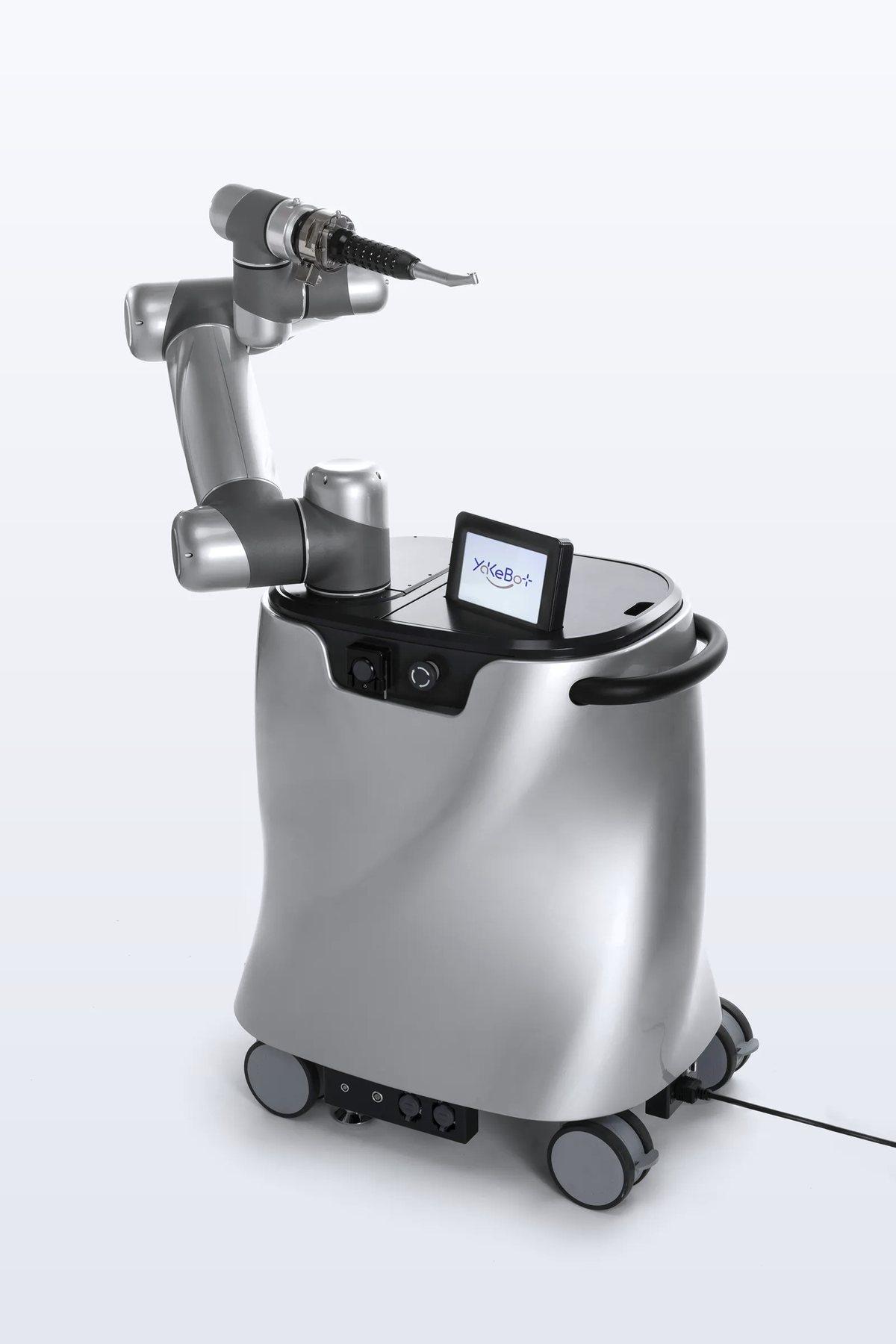
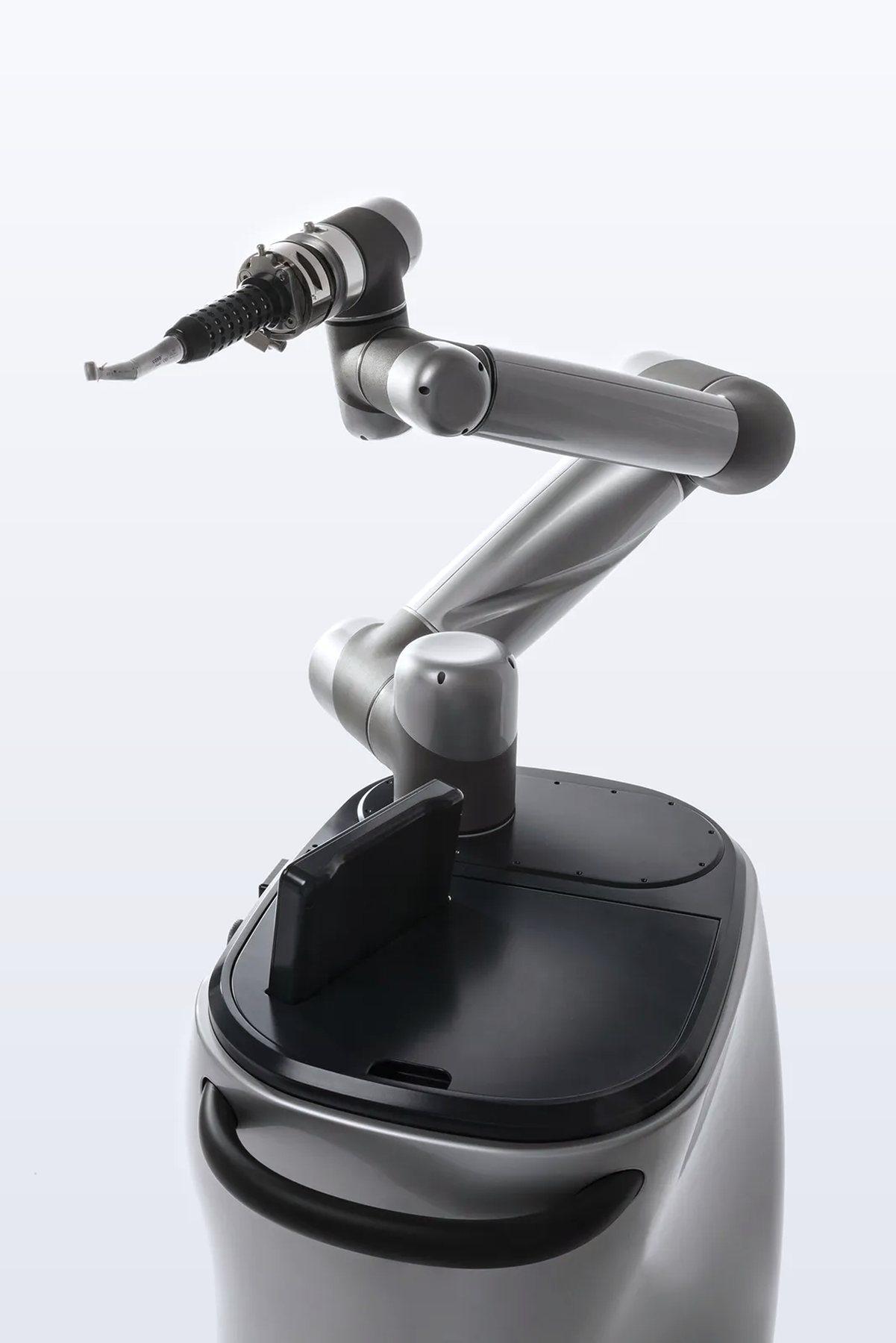
YakeBot translates digital planning into high-precision surgical movements. The system tracks the patient’s movements and adjusts the trajectory in real time, while the clinician keeps full control of the procedure.
0.43 mm
platform deviation
1.48°
angular deviation
0.008 s
navigation response time
The technology behind the precision.
From digital planning to surgery, every component contributes to a precise, coordinated, clinician-controlled process.
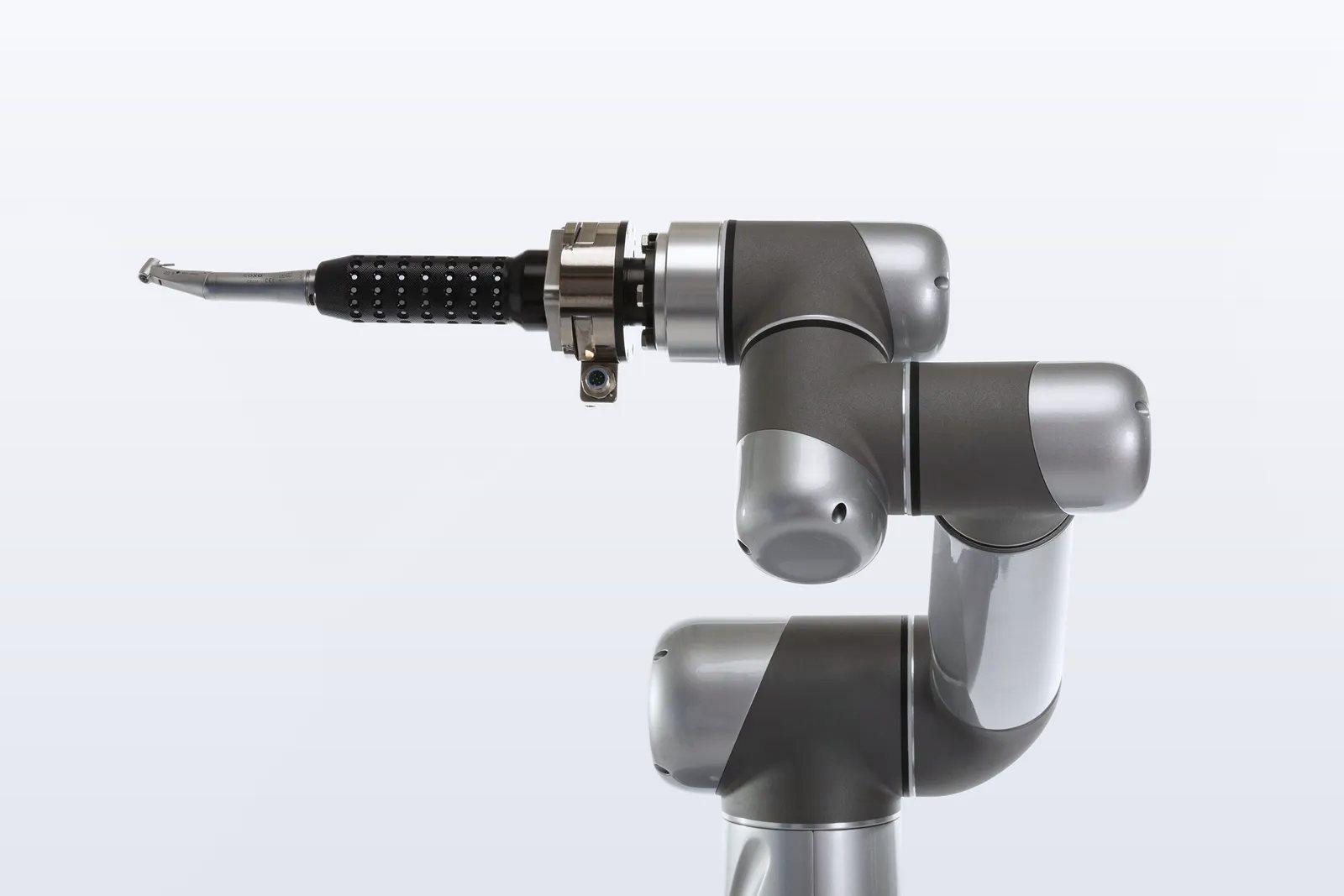
Precision robotic arm
Executes the planned movements for osteotomy drilling and implant insertion with sub-millimetre accuracy.
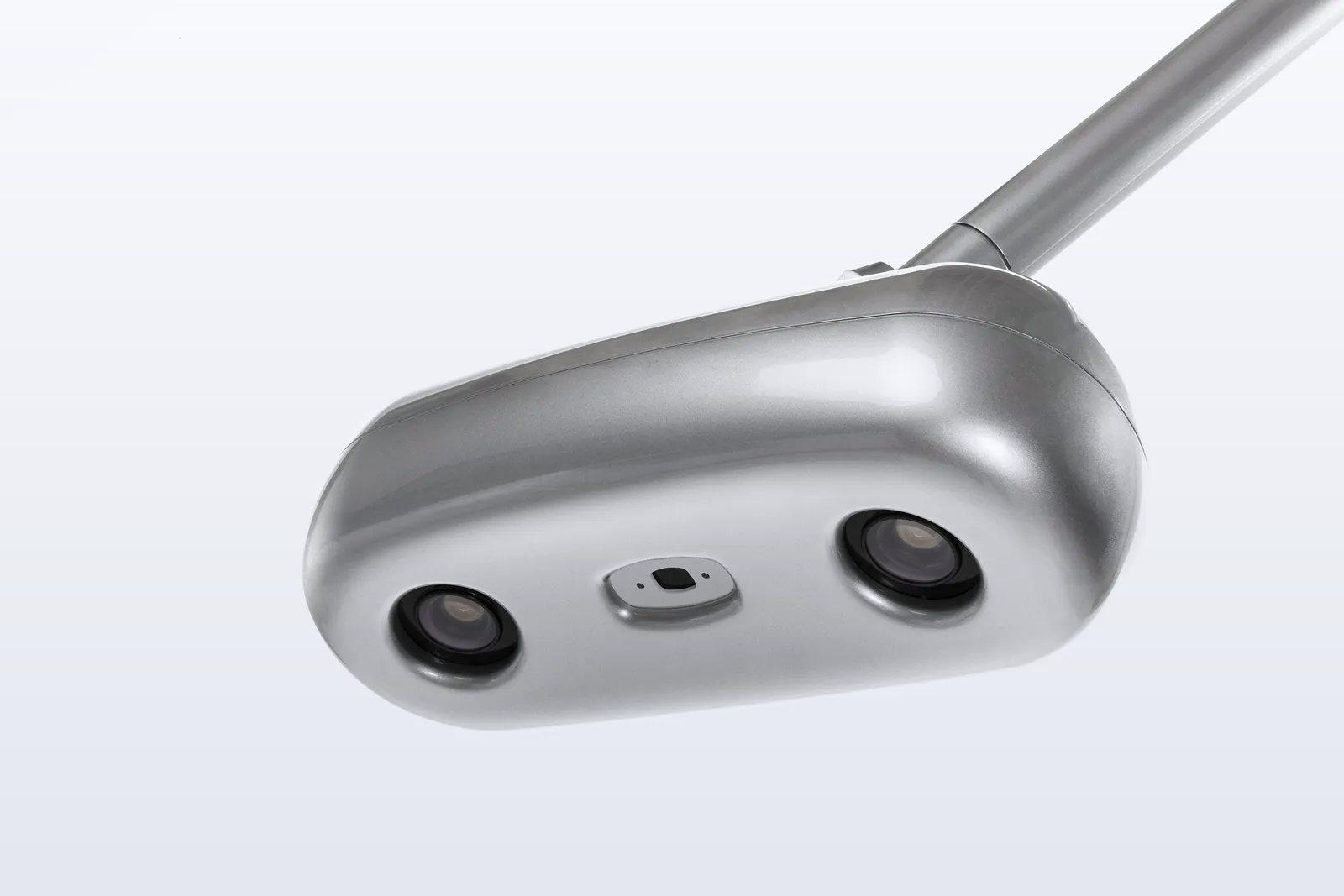
Optical navigation system
Stereoscopic cameras track the position of the patient and the robotic arm in real time.
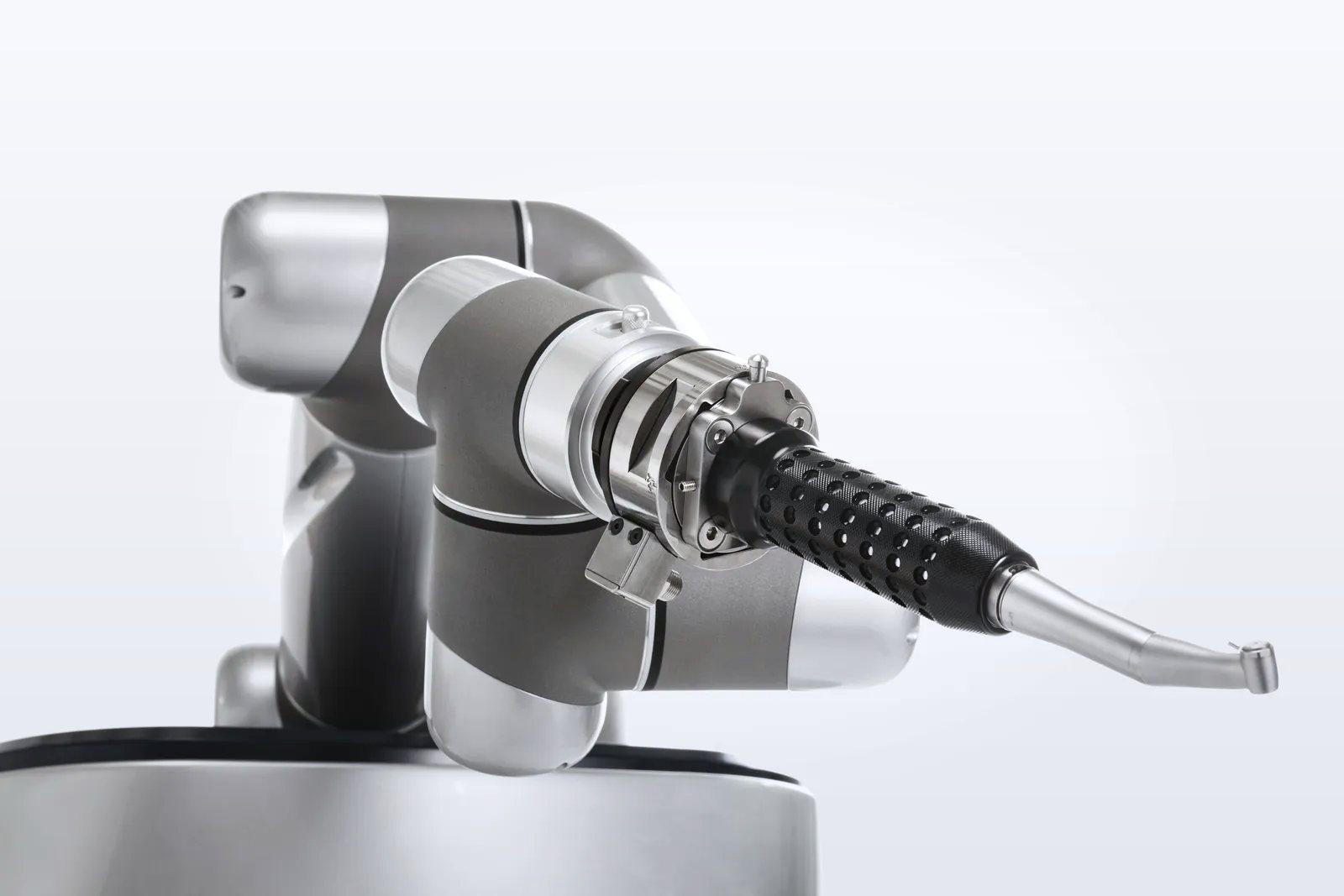
Sensor-equipped surgical instrument
Monitors applied forces and insertion parameters, providing feedback throughout the procedure.
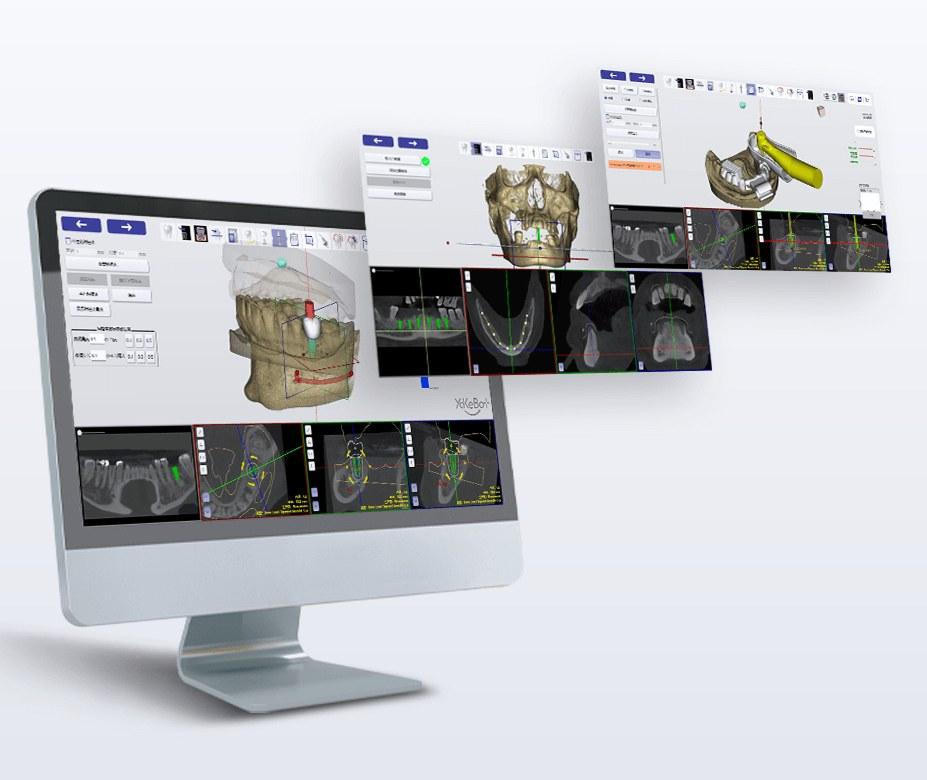
DentalNavi software
Enables 3D planning based on CBCT imaging, intraoperative monitoring and outcome analysis.
How it works
From 3D planning to surgery and outcome assessment, every stage is precisely coordinated.
01
Scanning and analysis
CBCT and intraoral scans are acquired to obtain the anatomical data needed for planning.
02
3D planning
The position, angulation and depth of each implant are defined digitally.
03
Registration and calibration
The digital plan is matched to the patient’s anatomy and the robotic system is calibrated.
04
Robot-assisted surgery
The robot follows the planned trajectory, under the clinician’s constant control.
05
Outcome verification
The surgical outcome is compared with the original plan and an accuracy report is generated.
The outcome
An integrated digital workflow, from planning to surgery.
YakeBot brings 3D planning, real-time navigation and robot-assisted surgery together in one coordinated process, without the need for a conventional static surgical guide. This integrated workflow can help reduce the number of visits and optimise overall treatment time.
What sets YakeBot apart.
Unlike static guides and dynamic navigation, YakeBot doesn’t just guide the procedure: it executes the planned movements, under the clinician’s constant control.
Drilling execution
- Static guide
- Manual, through a guide
- Dynamic navigation
- Manual, navigation-assisted
- YakeBot
- Robotic, under the clinician’s control
Real-time adaptation
- Static guide
- Fixed trajectory
- Dynamic navigation
- Shown on screen
- YakeBot
- Real-time robotic adjustment
Depth control
- Static guide
- Via guide and instrumentation
- Dynamic navigation
- Visual guidance, manual control
- YakeBot
- Controlled according to the digital plan
Execution consistency
- Static guide
- Depends on manual execution
- Dynamic navigation
- Depends on the clinician’s coordination
- YakeBot
- Robotically controlled trajectory, true to plan
Surgical template required
- Static guide
- Yes
- Dynamic navigation
- No
- YakeBot
- No
Outcome verification
- Static guide
- Postoperative assessment
- Dynamic navigation
- Postoperative assessment
- YakeBot
- Automatic plan vs. outcome report
| Criterion | Static guide | Dynamic navigation | YakeBot |
|---|---|---|---|
| Drilling execution | Manual, through a guide | Manual, navigation-assisted | Robotic, under the clinician’s control |
| Real-time adaptation | Fixed trajectory | Shown on screen | Real-time robotic adjustment |
| Depth control | Via guide and instrumentation | Visual guidance, manual control | Controlled according to the digital plan |
| Execution consistency | Depends on manual execution | Depends on the clinician’s coordination | Robotically controlled trajectory, true to plan |
| Surgical template required | Yes | No | No |
| Outcome verification | Postoperative assessment | Postoperative assessment | Automatic plan vs. outcome report |
Discover what YakeBot can bring to your clinic.
Book a meetingClinically proven precision.
Mean deviations from the plan, in published studies.
0.43mm
Mean deviation at the implant platform
0.56mm
Mean deviation at the implant apex
1.48°
Mean angular deviation from the plan
Greater precision than static guides. In a comparative study, YakeBot achieved mean deviations of 0.43 mm at the implant platform and 0.56 mm at the apex, compared with 1.31 mm and 1.47 mm respectively for static-guided surgery.
The clinician stays in command.
YakeBot assists every stage of the procedure, but decisions and control remain in the clinician’s hands at all times.
0.008 s
Real-time adaptation
The optical system tracks the patient’s movements, allowing the robotic arm to adjust its trajectory during the procedure.
3 axes
Force feedback
Sensors monitor the resistance encountered during drilling and provide data to keep the procedure under control.
°C
Thermal protection
The system estimates temperature during drilling, helping to prevent bone overheating.
STOP
Constant control
The robot advances only while the clinician keeps the foot pedal pressed. Releasing it stops all movement.
Depth control
Drilling position and depth are controlled according to the digital plan set by the clinician.
No surgical template
Robotic navigation allows the procedure to be performed without fabricating a physical surgical guide.